Introduction
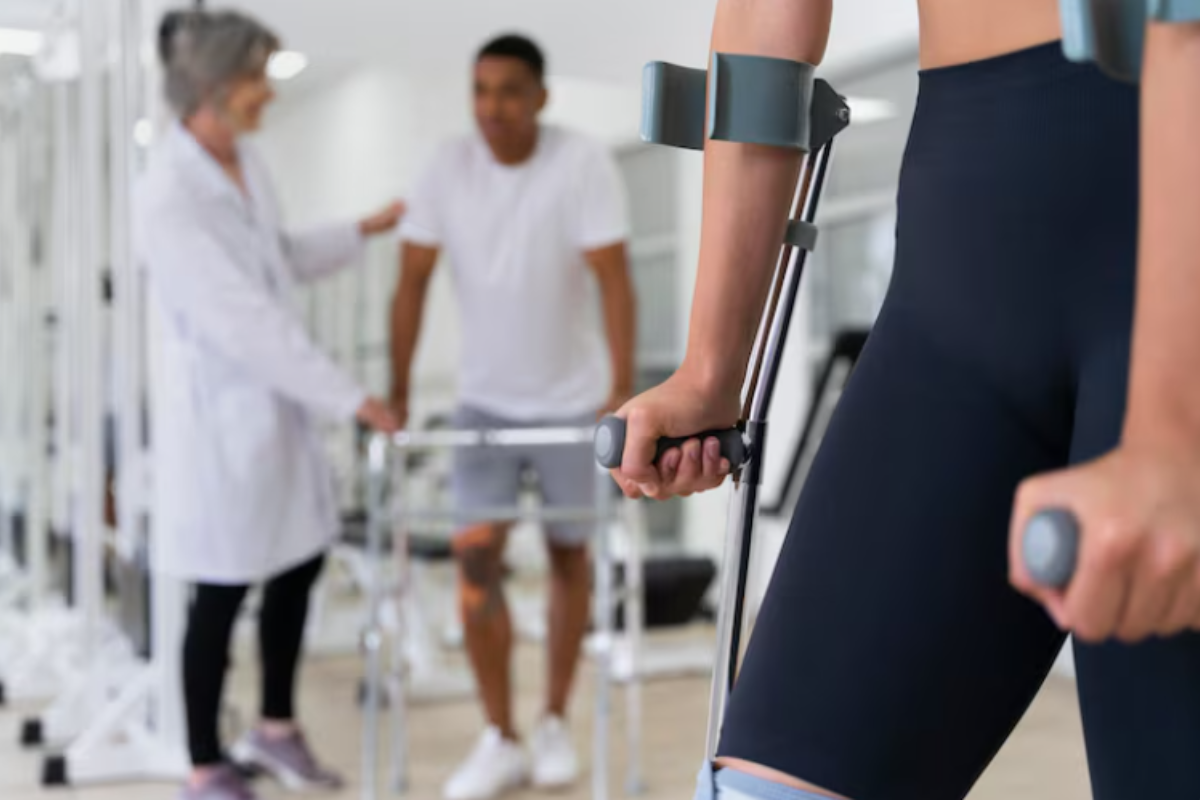
The Rehabilitation Center is dedicated to supporting patients in regaining functional independence, improving mobility, and enhancing overall quality of life following injury, surgery, or illness. Each rehabilitation plan is developed based on a comprehensive assessment of the patient’s physical condition, functional limitations, and recovery goals. Interdisciplinary collaboration ensures that therapy programs address all aspects of recovery, including strength, flexibility, balance, and endurance.
Therapeutic interventions may include physiotherapy, occupational therapy, mobility training, and other specialized rehabilitation techniques tailored to the individual’s needs. Progress is monitored continuously, and programs are adjusted to ensure safe, gradual improvement while minimizing the risk of complications.
Education and guidance form a key part of the rehabilitation process, helping patients adopt self-management strategies, ergonomic adaptations, and exercises to maintain long-term mobility and independence. The center’s approach focuses on structured, evidence-based methods to facilitate a comprehensive recovery and support patients in resuming daily activities with confidence.
What to expect
Patients entering the Rehabilitation Center can expect a structured and individualized approach to recovery. The process begins with a detailed assessment to evaluate physical condition, functional limitations, and specific rehabilitation goals. Based on this assessment, a personalized plan is created, outlining the recommended therapies, expected progression, and milestones for improvement.
During the rehabilitation process, patients participate in targeted exercises, therapy sessions, and functional training designed to restore mobility, strength, and coordination. Each program is continuously monitored and adjusted according to the patient’s progress, ensuring safe and effective recovery. Emphasis is placed on gradual improvement, prevention of secondary complications, and restoration of independence in daily activities.
Education and guidance are provided throughout the program to support patients in adopting self-management techniques, maintaining long-term physical health, and integrating therapeutic practices into everyday routines. Overall, patients can expect a comprehensive, structured, and outcome-focused approach aimed at achieving sustainable functional recovery and improved quality of life.