
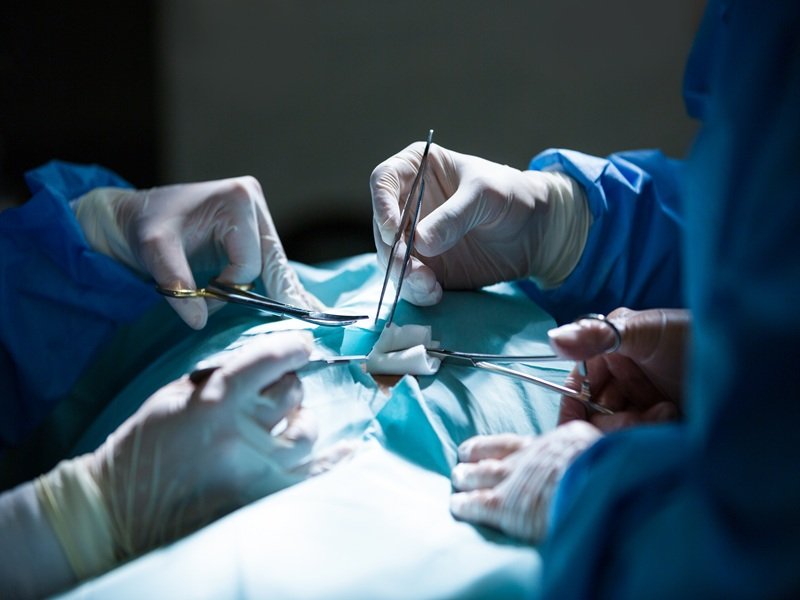
General Surgery
General Surgery is a specialized branch of medicine that focuses on the diagnosis, treatment, and management of various surgical conditions. It involves operative procedures related to the abdomen, digestive tract, skin, soft tissues, and endocrine system. Surgeons in this field are skilled in handling both elective and emergency surgical cases, supported by a deep understanding of human anatomy and physiological functions.
General Surgery plays an important role in healthcare by integrating clinical expertise with precise surgical practices. It encompasses procedures such as appendectomy, hernia repair, gallbladder surgery, and abdominal trauma management. Each surgical intervention is planned with careful consideration to ensure patient safety, effective treatment, and proper recovery.
The discipline of General Surgery also focuses on thorough preoperative evaluation and systematic postoperative care. A multidisciplinary approach is often adopted, involving coordination with specialists from other medical departments. With continuous advancements in surgical techniques and technology, General Surgery has evolved into a highly refined field, emphasizing accuracy, safety, and improved patient outcomes.
Common Conditions Treated
General Surgery covers a broad range of conditions that affect different organs and body systems. These conditions may involve the digestive tract, abdominal wall, endocrine glands, and soft tissues. Surgical management becomes essential when medical treatment alone is not sufficient to restore normal function or relieve discomfort.
Some of the common conditions managed under General Surgery include:
Appendicitis: Inflammation of the appendix that often requires surgical removal to prevent complications.
Hernia: A condition where an internal organ or tissue pushes through a weak spot in the abdominal wall, requiring surgical correction.
Gallbladder Disorders: Issues such as gallstones or inflammation that may lead to persistent abdominal pain and digestive problems.
Thyroid and Parathyroid Conditions: Disorders of the endocrine glands that sometimes need surgical intervention to maintain hormonal balance.
Abdominal Trauma: Injuries caused by accidents or impact that may involve internal bleeding or organ damage.
Soft Tissue Infections and Tumors: Localized infections, cysts, or benign growths that require surgical removal or drainage.
The scope of General Surgery also extends to managing emergency conditions that demand immediate attention, such as intestinal obstruction or perforation. Each case is carefully evaluated to determine the most suitable surgical approach, ensuring accuracy and patient safety throughout the treatment process.
Types of General Surgeries Performed
General Surgery includes a wide range of surgical procedures designed to treat conditions involving internal organs, soft tissues, and other body structures. Each procedure is carried out with a specific purpose — to remove, repair, or restore normal function in the affected area. The surgical approach may vary depending on the diagnosis, the patient’s health status, and the complexity of the condition.
Common types of general surgical procedures include:
Appendectomy: Removal of the appendix, usually performed in cases of acute appendicitis.
Cholecystectomy: Surgical removal of the gallbladder, often recommended for gallstones or gallbladder inflammation.
Hernia Repair: Reinforcement of the abdominal wall to correct hernias and prevent recurrence.
Thyroid Surgery: Surgical management of thyroid disorders such as goiter or nodular growths.
Breast Surgery: Removal of benign or suspicious lumps and treatment of other breast-related conditions.
Laparoscopic Surgery: Minimally invasive techniques using small incisions and specialized instruments, allowing quicker recovery and reduced postoperative discomfort.
Colorectal Surgery: Surgical treatment of the colon or rectum for conditions such as polyps, diverticulitis, or tumors.
The General Surgery Department continues to evolve with advancements in medical technology and refined surgical methods. These improvements help enhance precision, minimize complications, and support better patient recovery within hospital settings. The focus remains on maintaining safety, accuracy, and quality in every surgical treatment.
Preoperative Evaluation and Diagnosis
Before any general surgical procedure, patients undergo a detailed evaluation process. This includes medical history review, diagnostic imaging, and laboratory investigations to assess overall health and identify potential risks.
The preoperative phase helps surgeons determine the best surgical plan and anesthesia type for each individual. Proper evaluation ensures that the surgery is performed safely and effectively, minimizing complications and improving recovery outcomes.
Advanced Surgical Techniques and Equipment
Modern General Surgery benefits greatly from advancements in surgical technology. Techniques such as laparoscopic surgery and minimally invasive methods have transformed patient care by allowing smaller incisions, reduced blood loss, and quicker recovery.
Hospitals now use advanced imaging tools, precision instruments, and real-time monitoring systems to assist surgeons during complex procedures. These innovations contribute to higher accuracy and better postoperative outcomes.
Postoperative Care and Recovery
Postoperative care is an essential part of General Surgery. It involves close monitoring after surgery to ensure healing, prevent infection, and manage pain effectively.
Patients receive specific instructions regarding diet, wound care, physical activity, and follow-up visits. Timely assessment and rehabilitation support faster recovery and help prevent postoperative complications.
Our Surgical Team and Expertise
The General Surgery Department is managed by skilled and experienced surgeons who are trained in performing a wide range of surgical treatments. The team works in coordination with anesthesiologists, nurses, and other specialists to ensure comprehensive patient care.
Continuous medical education and hands-on experience enable the surgical team to stay updated with the latest techniques, ensuring accurate and efficient procedures for every patient.
Patient Safety and Quality Care
In General Surgery, patient safety is the top priority. Strict protocols are followed throughout the surgical process—from sterilization and anesthesia to postoperative monitoring.
Quality care involves maintaining hygiene, using safe surgical techniques, and following evidence-based medical practices. Each step is designed to protect patients and promote positive treatment outcomes.
Benefits of Timely Surgical Intervention
Timely surgical intervention plays a vital role in ensuring better treatment outcomes and faster recovery for patients. Early diagnosis and prompt surgical care help prevent complications that may arise if a condition is left untreated for too long. Delaying surgery can sometimes lead to the progression of disease, making treatment more complex and recovery slower.
By addressing health issues at the right time, patients experience reduced pain, improved functionality, and a lower risk of infection or further damage. Timely surgery also supports overall well-being, helping individuals return to their normal lifestyle and daily activities sooner.
Regular medical consultations and following expert advice are essential to identify when surgical care is required, ensuring effective and safe recovery.
When to Consult a General Surgeon
Consulting a General Surgeon is important when you experience symptoms such as persistent abdominal pain, swelling, or unexplained lumps that do not improve with routine treatment. A timely surgical evaluation helps detect underlying issues and determine whether operative management is required.
For individuals looking for expert General Surgery in Ahmedabad, professional consultation ensures accurate diagnosis and safe treatment planning. Conditions like hernia, gallbladder stones, appendicitis, and thyroid disorders often require the attention of an experienced surgeon.
At Maruti Multispeciality Hospital, patients receive comprehensive surgical assessment and care from some of the best General Surgeons in Ahmedabad. The hospital’s General Surgery Department focuses on precision-based procedures, patient safety, and effective recovery, ensuring that every case is managed with medical accuracy and attention to detail.