
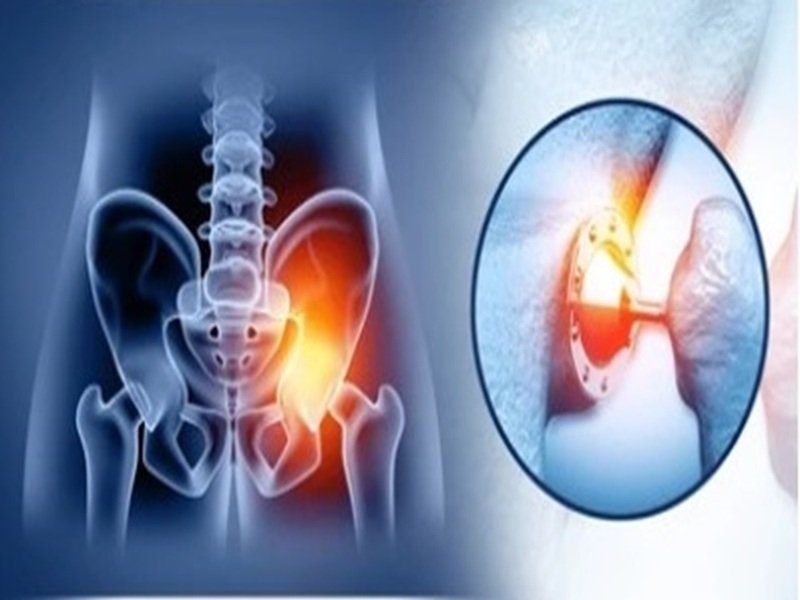
What is Hip Replacement Surgery?
Hip replacement surgery—also known as total hip arthroplasty—is a highly specialised orthopedic treatment performed to restore mobility and relieve chronic hip pain caused by arthritis, injury, or degeneration of the joint. In this procedure, the damaged parts of the hip joint, including the femoral head and acetabulum, are carefully removed and replaced with durable artificial components made of metal, ceramic, or high-grade polymers. These advanced implants are engineered to mimic the natural movement of the hip, allowing smoother, pain-free motion.
This surgery is often recommended when non-surgical options such as medications, physiotherapy, or lifestyle modifications no longer provide relief. Individuals experiencing persistent stiffness, difficulty walking, or reduced joint function may benefit significantly from hip replacement surgery. With advancements in orthopedic techniques, modern procedures prioritise minimal tissue disruption, precise implant placement, and faster recovery.
Patients looking for reliable clinical guidance often search for terms like best orthopedic surgeon in Ahmedabad or orthopedic doctors near me to understand their treatment options. A thorough evaluation, imaging studies, and personalised assessment help determine whether a partial or total hip replacement is the most suitable approach.
The goal of hip replacement surgery is to restore joint stability, improve range of motion, reduce pain, and enhance overall quality of life—allowing individuals to return to daily activities with greater comfort and confidence.
Total hip arthroplasty, often known as hip replacement surgery, involves replacing the hip’s natural ball joint with an artificial one comprised of ceramic, plastic, and metal.
- Osteoarthritis
- Rheumatoid arthritis
- Osteonecrosis
- Hip Fracture
- Further Damage
- Malignancies
Why Do You Need A Hip Replacement Surgery?
If you frequently experience moderate to severe hip pain due to conditions such as osteoarthritis, rheumatoid arthritis, or post-traumatic arthritis, it may be an indication that medical evaluation is necessary. These degenerative conditions progressively damage the hip joint, making routine activities—like walking, bending, or climbing stairs—painful and difficult. In advanced stages, the discomfort may persist even during rest or minimal movement. To receive appropriate guidance and long-term relief, many individuals seek consultation with the Best Hip Replacement Surgeon in Ahmedabad.
When hip pain reaches this severity, non-surgical treatments such as physiotherapy, anti-inflammatory medications, lifestyle adjustments, or supportive devices often fail to provide adequate improvement. As the joint continues to deteriorate, cartilage loss and inflammation lead to increased stiffness and reduced range of motion, interfering with daily functioning. For patients with significant structural joint damage, hip replacement surgery becomes a medically recommended solution.
Studies show that nearly 90% of patients who undergo hip replacement have advanced osteoarthritis, which is the most common cause of hip joint degeneration. When pain, stiffness, and mobility issues escalate to a point where they affect quality of life despite conservative management, hip replacement offers a reliable pathway to restore comfort and functional movement.
How do I prepare for the Hip Replacement Surgery?
You must have a thorough talk with your orthopaedic surgeon about all parts of the procedure in order to get ready for a hip replacement. A thorough knowledge of the problem, the course of treatment, and the post-treatment plan is highly beneficial. Recognize how it will affect your work and mobility. Your orthopaedic surgeon will examine you before the procedure. The doctor will:
- Ask about your medical history and current medications
- Do a brief physical examination to make sure you are healthy and will order a list of tests (blood tests, X-ray/CT/MRI) to be done before the surgery to ensure that you are healthy to undergo the surgery.
- Examine your hip, paying attention to the range of motion in your joint and the strength of the surrounding muscles
What will be done during the Surgery?
During hip replacement surgery, the damaged bone and cartilage of the joint are removed through a precise incision and replaced with high-quality prosthetic components. The surgeon prepares the hip socket and inserts a durable cup made of metal, ceramic, or polyethylene. The femur is then shaped to fit a prosthetic stem, which is secured inside the bone, and an artificial ball is attached to restore smooth joint movement.
Advanced alignment techniques ensure accurate placement of the implants for long-term stability. After the components are fixed, the tissues are closed carefully to begin healing.
The purpose of this procedure is to relieve chronic pain, improve mobility, and help patients return to normal daily activities with better hip function.
How Long Does It Take to Recover After Hip Replacement Surgery?
Recovery after hip replacement surgery varies from person to person, but most individuals begin regaining mobility within a few days. Patients can usually stand and take a few steps with assistance on the same day or the day after surgery. Over the next several weeks, guided physiotherapy helps improve strength, flexibility, and joint stability.
By 4 to 6 weeks, many people resume light daily activities such as walking short distances, climbing stairs, or performing household tasks. However, complete recovery—including full strength, balance, and comfortable joint movement—may take three to six months, depending on age, overall health, and adherence to rehabilitation exercises.
Although improvement continues gradually, it’s important to follow all post-operative instructions and attend scheduled follow-ups to ensure the artificial joint heals correctly and functions smoothly.
Why Maruti Multispeciality Hospital Is a Trusted Choice for Hip Replacement in Ahmedabad
Maruti Multispeciality Hospital is recognized for providing structured, evidence-based care to patients requiring hip replacement surgery. The hospital follows a comprehensive orthopedic approach that focuses on accurate diagnosis, individualized treatment planning, and safe surgical practices. With modern operation theatres, advanced imaging systems, and high-quality implant options, patients receive care designed to support long-term joint function and mobility.
The orthopedic team at Maruti Multispeciality Hospital follows standardized clinical protocols that emphasize precision, minimal tissue disruption, and optimal implant positioning. This approach helps reduce post-operative discomfort and supports a smoother rehabilitation process. Each patient is thoroughly evaluated to determine the most suitable surgical technique—whether minimally invasive or traditional—based on the condition of the joint, bone health, and medical history.
Post-surgical recovery is supported by dedicated physiotherapy and monitoring, helping patients regain strength, balance, and confidence in movement. This coordinated care model ensures that individuals receive continuous guidance from assessment to rehabilitation, making the hospital a dependable choice for those seeking hip replacement treatment in Ahmedabad.